
Airflow Solutions for Texas Heat
Ceiling Fan Installation in Farmersville and McKinney for bedrooms, patios, and living spaces requiring improved air circulation
Ceiling fans reduce reliance on air conditioning by circulating air throughout rooms, creating a wind-chill effect that makes spaces feel several degrees cooler without lowering thermostat settings, which directly reduces HVAC runtime and energy costs during extended Texas summers. Jay's Electric & Media Solutions installs ceiling fans in bedrooms, living rooms, home offices, covered patios, and outdoor spaces where improved airflow enhances comfort and functionality. Homeowners throughout McKinney and Farmersville replacing outdated fans or adding new installations during remodeling projects often discover that proper mounting, balanced blade installation, and correct electrical connections significantly affect performance and noise levels compared to basic retail installations.
The installation process includes verifying that ceiling structure can support the fan's weight and operational forces, running new electrical wiring when installing fans in locations without existing ceiling fixtures, and ensuring that all mounting hardware is secured to structural members rather than drywall alone. Fans installed on covered patios and outdoor areas require wet-rated models and weatherproof wiring methods that prevent moisture infiltration and corrosion, while indoor installations focus on secure mounting and vibration-free operation that eliminates the wobbling and noise common with improperly balanced fans.
Schedule ceiling fan installation services to improve comfort and reduce cooling costs throughout your property.
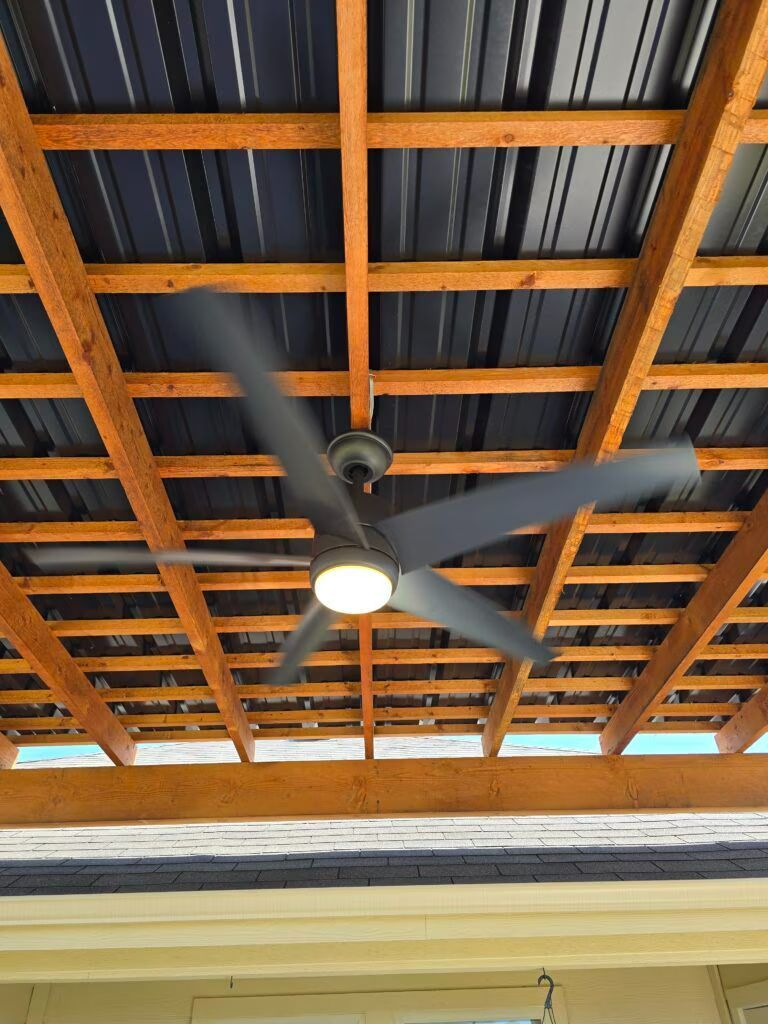
What Proper Fan Installation Requires
Proper installation starts with confirming that the electrical box is rated for fan support, as standard light fixture boxes lack the bracing required to handle the dynamic load created by rotating fan blades, and replacing inadequate boxes with fan-rated assemblies anchored to ceiling joists or blocking. Wiring must include a ground connection for safety, and installations with separate light kits require additional conductors to control lights and fan speeds independently through wall switches or remote controls.
Once installed, you'll notice consistent airflow without wobbling or excessive noise, even operation at all speed settings without vibration transferring to the ceiling, and effective air circulation that reduces perceived temperature during summer months while improving heating efficiency in winter when running fans in reverse to push warm air downward. The fan operates reliably through remote control or wall switches, and lighting integrated into the fan provides adequate illumination without requiring separate ceiling fixtures.
The service includes balancing fan blades to eliminate wobble caused by manufacturing tolerances or blade weight variations, confirming clearances meet code requirements that prevent blade contact with sloped ceilings or low mounting heights, and testing operation across all speed settings to verify smooth performance. Downrod length selection ensures adequate clearance above floor level while positioning blades at heights that maximize airflow efficiency based on ceiling height and room dimensions.
What Property Owners Usually Ask
Residents upgrading home comfort systems often have questions about fan selection, installation requirements, and performance expectations before proceeding with installation.
What electrical work is required to install a ceiling fan where none exists?
New installations require running electrical wiring from an existing circuit or dedicated breaker to the fan location, installing a fan-rated electrical box securely attached to ceiling framing, and adding wall switches to control fan speed and lighting independently if the fan includes integrated light fixtures.
How does ceiling fan installation reduce HVAC strain during McKinney summers?
Fans create air movement that increases evaporative cooling from skin, making occupants feel cooler without lowering thermostat settings, which allows air conditioning systems to run less frequently and reduces peak demand on HVAC equipment during the hottest afternoon hours when cooling loads are highest.
Why do outdoor ceiling fans require different installation methods?
Wet-rated fans designed for covered patios and outdoor spaces include sealed motors and corrosion-resistant finishes, and electrical connections must use weatherproof boxes and conduit methods that prevent moisture infiltration, as standard indoor wiring practices would fail quickly when exposed to humidity and temperature swings common in outdoor installations.
What mounting considerations affect ceiling fan performance and safety?
Fans must be anchored to structural ceiling members capable of supporting both static weight and dynamic forces created during operation, with fan-rated electrical boxes that prevent loosening over time, and downrod lengths selected to position blades at least seven feet above floors while maintaining adequate clearance from sloped ceilings or nearby walls.
How does balanced installation eliminate noise and wobbling?
Proper balancing involves adjusting blade angles to match across all blades, verifying that mounting hardware is tightened correctly without over-torquing connections, and using balancing kits when minor weight differences between blades cause wobble, ensuring smooth operation that doesn't create distracting noise or vibration during use.
Jay's Electric & Media Solutions handles ceiling fan installations with secure mounting, balanced operation, and dependable electrical connections that improve air circulation and reduce cooling costs. Request installation services to add ceiling fans throughout your home and improve year-round comfort.