
Safety Systems That Detect Hazards Early
Smoke and Carbon Monoxide Detector Installation in Farmersville and McKinney for properties requiring updated alarm systems and code-compliant safety coverage
Jay's Electric & Media Solutions installs smoke and carbon monoxide detectors with interconnected alarm systems that provide full-property coverage when one unit activates. Homeowners replacing aging detectors or adding coverage during remodels need professionally installed systems that meet current electrical code requirements. Properties without interconnected alarms leave occupants unaware of hazards developing in other rooms or floors.
This service involves proper detector placement based on room function, ceiling height, and airflow patterns that affect how quickly smoke or gas reaches the sensor. Installation includes wiring units together so activation in one area triggers alarms throughout the property, ensuring audible alerts reach sleeping areas regardless of where the hazard originates. Updated safety technology improves early hazard detection by distinguishing between slow-smoldering fires and fast-flame events, reducing nuisance alarms while maintaining responsive emergency alerts.
Schedule a property assessment to determine detector placement requirements and interconnection options for complete coverage.
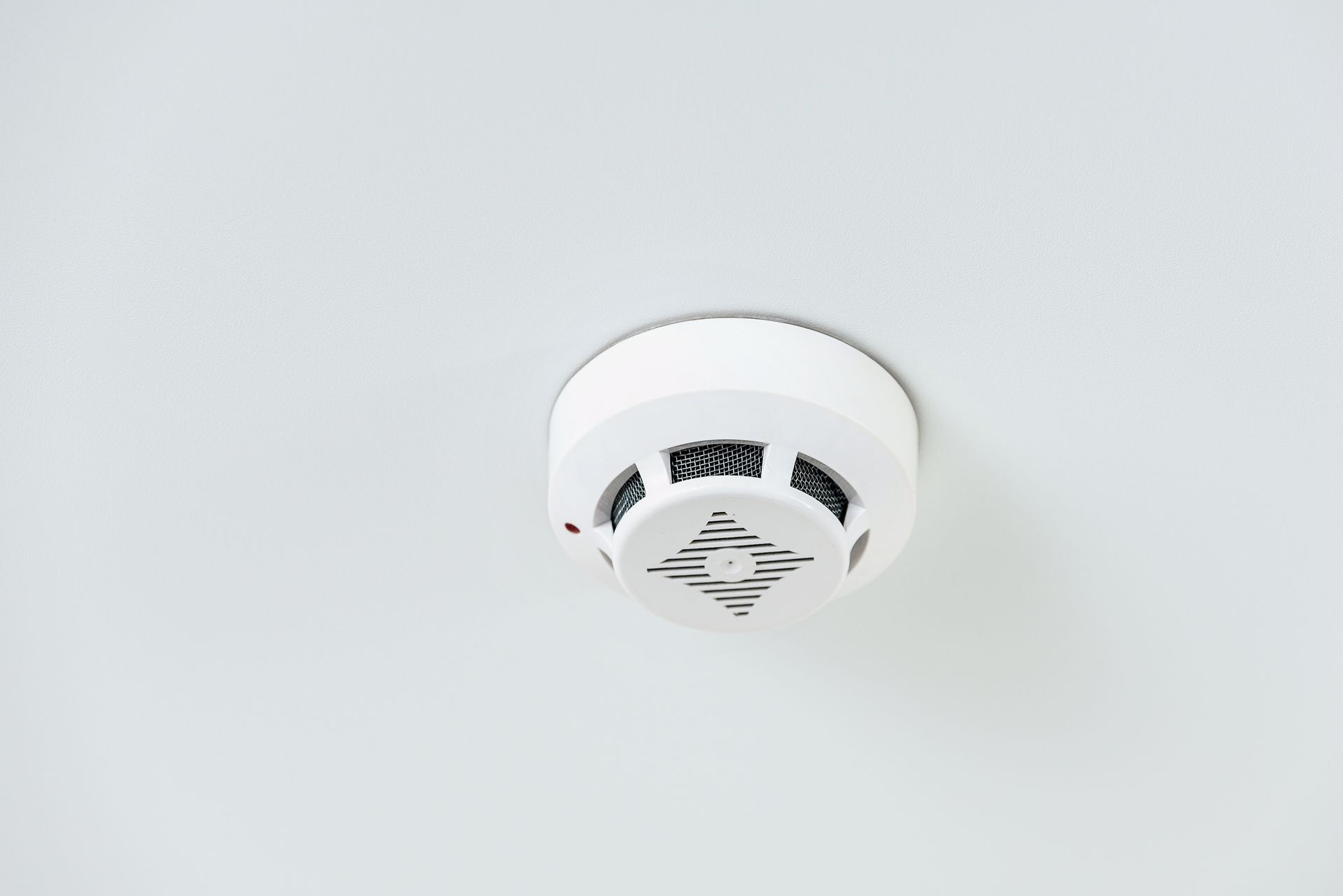
What Proper Detector Installation Requires
Professional installation positions smoke detectors on ceilings or high wall locations where rising heat and particles trigger sensors first, while carbon monoxide detectors install at breathing height since CO disperses evenly rather than rising. Interconnected systems run dedicated wiring between units, allowing battery-backup models to communicate during power outages. Placement avoids dead air spaces near corners, prevents false alarms from kitchen steam or bathroom humidity, and ensures coverage in basements where gas appliances operate.
After installation, you notice immediate audible confirmation when testing one detector triggers alarms throughout the property simultaneously. Families gain early warning time that allows evacuation before conditions become life-threatening, and properties meet code requirements that apply during sales, refinancing, or rental agreements. Jay's Electric & Media Solutions follows dependable installation practices that include documenting detector ages, explaining replacement intervals typically required every ten years as sensors degrade, and positioning units away from vents or fans that disrupt airflow needed for reliable detection.
Installation includes recommendations for routine detector replacement based on manufacture dates, since sensor sensitivity declines over time even when batteries remain functional. The service covers residential properties adding coverage during electrical upgrades and homeowners prioritizing electrical safety compliance after inspections identify missing or outdated units. Proper installation prevents the common error of placing detectors too close to cooking areas, which causes frequent false alarms that lead occupants to disable units and eliminate protection entirely.
Questions Homeowners Ask Before Installation
Detector installation addresses specific placement requirements and system options that affect how reliably alarms function during actual emergencies.
How does interconnected wiring differ from standalone battery units?
Interconnected detectors use low-voltage wiring that links all units together, so activation in one location triggers every alarm simultaneously, while standalone units only sound locally and may not alert occupants in distant rooms or sleeping areas.
What placement rules apply to smoke and carbon monoxide detectors?
Smoke detectors install on ceilings or within twelve inches of the ceiling where rising heat concentrates, while carbon monoxide detectors install at typical breathing height on walls since CO mixes evenly with air rather than rising or sinking.
Why do detectors near kitchens cause false alarms?
Cooking steam, grease particles, and heat from ranges trigger smoke sensors designed to respond to any airborne particles, which is why placement codes require minimum distances from cooking appliances to reduce nuisance alarms without compromising safety coverage.
When should existing detectors be replaced regardless of battery condition?
Detectors manufactured more than ten years ago require replacement because sensor components degrade and lose sensitivity over time, and many properties in Farmersville contain original builder-installed units that no longer meet current detection standards.
What updated safety technology improves detector performance?
Modern photoelectric smoke sensors distinguish between slow-smoldering fires and fast-flame events, electrochemical CO sensors detect lower gas concentrations than older models, and dual-sensor units combine ionization and photoelectric technologies to respond to different fire types more reliably.
Jay's Electric & Media Solutions installs code-compliant detector systems with interconnected coverage designed to protect families and properties from potential emergencies. Contact our team to arrange detector installation that meets current safety standards and provides dependable early warning throughout your property.