Wiring That Supports Connected Technology
Smart Home Electrical Upgrades in Farmersville and McKinney for homeowners integrating automation systems and connected devices
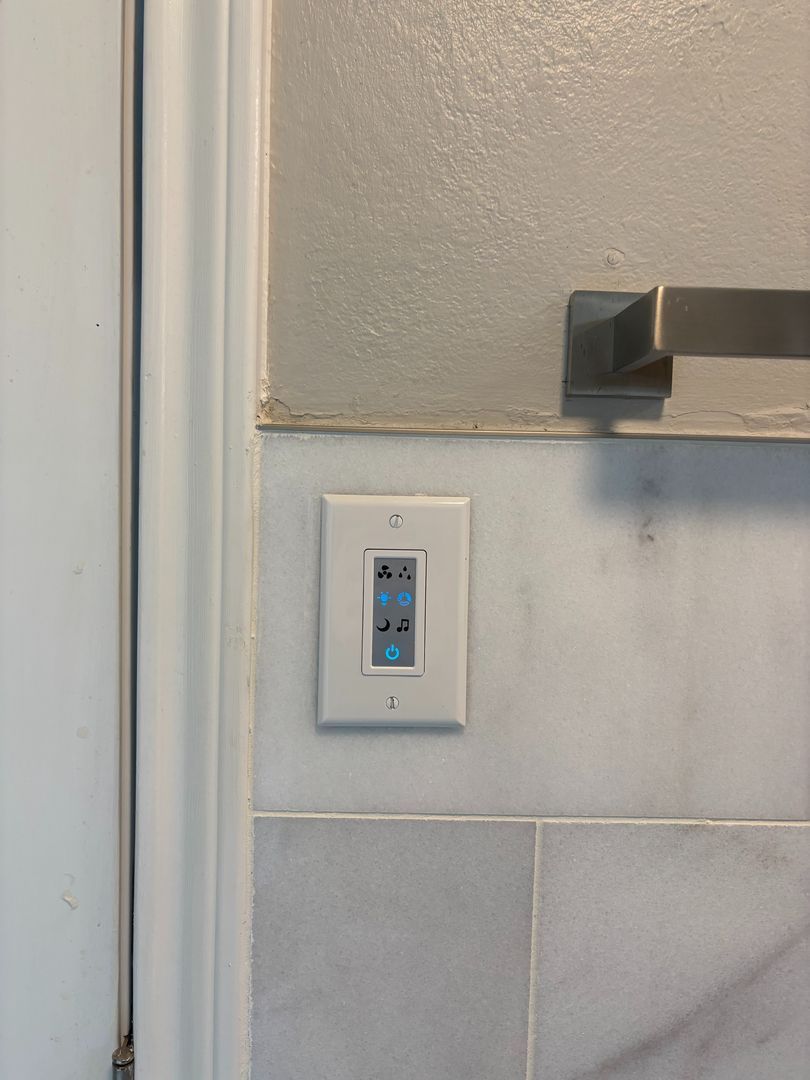
Smart switches require neutral wiring at every switch location, a configuration not included in many older homes where switches were installed with only hot and ground wires to reduce material costs during construction. Jay's Electric & Media Solutions upgrades electrical systems to support smart lighting, automated scheduling, remote control functionality, and integrated home technology that depends on proper wiring and reliable power distribution. Homeowners throughout McKinney and Farmersville investing in connected home systems often discover that their existing wiring cannot support the devices they've purchased, requiring electrical modifications before installation can proceed.
Smart home electrical upgrades involve adding neutral conductors to switch boxes, installing dedicated circuits for automation hubs and network equipment, and ensuring adequate power distribution for devices that remain energized continuously to receive remote commands. The work integrates with modern entertainment systems, security devices, voice-controlled lighting, and energy-monitoring technology while maintaining safe electrical practices that prevent overloading circuits or creating fire hazards. Proper installation ensures compatibility between smart devices and existing electrical infrastructure without requiring complete rewiring of the property.
Arrange a smart home electrical consultation to assess wiring compatibility before purchasing automation equipment.
How Smart Upgrades Address Compatibility Issues
The process starts by identifying which switch locations lack neutral wiring, determining whether automation hubs and Wi-Fi access points have adequate power sources within signal range of controlled devices, and planning circuit layouts that prevent smart devices from losing functionality during routine breaker maintenance. Homes built before the 2011 National Electrical Code revision frequently lack neutrals at switch boxes, and retrofitting them requires accessing wiring inside walls or routing new conductors through accessible pathways like attics and basements.
Once upgrades are complete, you'll notice that smart switches respond reliably to app commands and voice control without requiring special adapters or workarounds, lighting scenes activate across multiple rooms simultaneously, and scheduled automation runs consistently without devices dropping offline due to power interruptions. The system allows remote monitoring of energy usage, integration with security cameras and doorbell systems, and centralized control of HVAC settings without creating electrical safety concerns or violating code requirements.
Additional considerations include surge protection for sensitive automation equipment, dedicated circuits for network switches and controllers that should remain powered during electrical troubleshooting, and ensuring that circuit breaker labels clearly identify smart device power sources to prevent accidental shutoffs during maintenance. Some automation systems also benefit from battery backup solutions that keep critical devices online during brief power interruptions common during North Texas storms.
Answers to Frequent Service Questions
Property owners exploring smart home technology often ask about electrical requirements and compatibility before committing to specific systems.
What electrical work is required to install smart light switches?
Most smart switches require a neutral wire at the switch box to power internal electronics that maintain wireless connectivity, and older homes often lack this wiring, requiring an electrician to run neutral conductors from the light fixture or junction box to each switch location where smart controls will be installed.
How do smart home upgrades improve energy efficiency?
Automated scheduling allows lights and climate control systems to operate only when needed, occupancy sensors prevent energy waste in unoccupied rooms, and real-time energy monitoring identifies devices consuming excessive power, giving homeowners data-driven insights into usage patterns that weren't visible with traditional electrical systems.
Why do automation hubs need dedicated electrical circuits?
Hubs that control lighting, security, and HVAC systems must remain powered continuously to respond to scheduled commands and remote access requests, and placing them on shared circuits with high-draw appliances increases the risk of unexpected shutdowns that disrupt automation routines and require manual reprogramming after power is restored.
What types of smart devices create the highest electrical demands in McKinney homes?
Whole-home automation controllers, network equipment that supports multiple wireless protocols, motorized window treatments controlled through apps, and integrated audio systems distributed across several rooms all require continuous power and may need additional circuits beyond what standard residential wiring provides.
How does proper wiring integration prevent smart device failures?
Correct installation ensures that devices receive stable voltage without interference from other equipment, maintains wireless signal strength by positioning hubs and access points where electrical circuits provide power, and prevents ground loop issues that cause erratic behavior in interconnected systems sharing data and power sources.
Jay's Electric & Media Solutions evaluates your existing electrical infrastructure and identifies modifications needed to support the specific smart home devices and automation systems you plan to install. Schedule a consultation to confirm wiring compatibility and plan electrical upgrades that enable reliable home automation functionality.