Finding Problems Before They Cause Failures
Electrical Safety Inspections in Farmersville and McKinney for home purchases, remodeling projects, and preventive maintenance
Faulty panels show signs of overheating through discolored breaker handles, melted insulation on wires entering the panel, or breakers that trip without corresponding overloads, all indicating internal failures that won't resolve themselves and will worsen over time without intervention. Jay's Electric & Media Solutions conducts comprehensive electrical inspections to identify safety risks, code violations, and hidden hazards in both older homes and properties in rapidly developing residential communities throughout Farmersville and McKinney. Electrical inspections become necessary before purchasing a home to reveal problems not visible during casual walkthroughs, prior to remodeling projects that will add electrical load to existing systems, and as preventive maintenance to catch deteriorating components before they cause outages or create fire hazards.
The inspection process evaluates panel condition and capacity, identifies outdated wiring methods like aluminum branch circuits or ungrounded outlets, checks for overloaded circuits and improper extensions, and tests GFCI and AFCI protection in areas where code requires these safety devices. Detailed evaluations reveal whether the electrical system can support planned upgrades, identify immediate safety concerns requiring correction, and provide documentation useful for insurance purposes or real estate transactions where buyers and sellers need objective assessments of electrical system condition.
Schedule an electrical safety inspection to identify hidden hazards and receive professional recommendations before problems escalate.
What Comprehensive Inspections Actually Accomplish
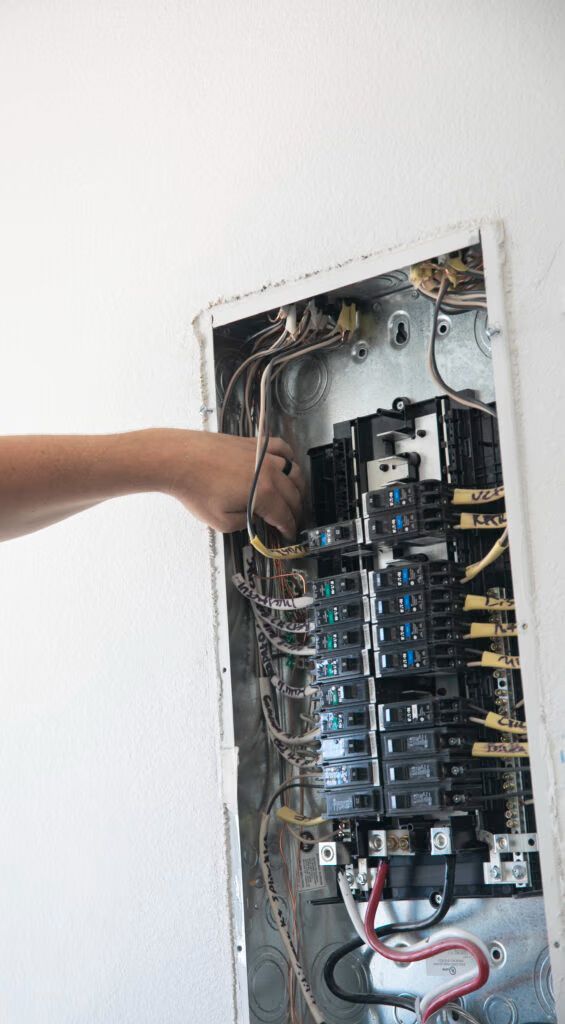
Inspections begin at the service entrance and main panel, examining connections for signs of heat damage or corrosion, verifying proper grounding and bonding, and checking that circuit breakers match wire gauges to prevent overheating from undersized protection devices. The evaluation continues through branch circuits, testing outlets for correct polarity and grounding, identifying backstabbed connections prone to loosening over time, and locating junction boxes hidden behind walls or ceilings that violate code requirements for accessibility.
After inspection, you receive a detailed report identifying safety hazards that require immediate correction, code violations that may affect insurance coverage or resale value, and recommended upgrades that improve system reliability even if not strictly required by current code. The findings help prioritize electrical work based on safety importance rather than guesswork, provide cost estimates for necessary repairs, and establish a documented baseline of system condition useful for future maintenance planning.
The inspection includes testing GFCI protection in bathrooms, kitchens, garages, and outdoor areas where ground faults pose electrocution risks, verifying AFCI protection in bedrooms and living areas where arc faults can ignite fires, and checking smoke detector interconnection and power sources to ensure life safety systems function correctly. Older homes often lack these protections entirely, while newer properties may have devices installed incorrectly or bypassed during previous repairs, creating safety gaps that aren't obvious without testing.
Questions Before Starting Your Project
Homeowners considering electrical inspections often want to understand what the process involves and what issues inspections typically uncover in residential properties.
What problems do electrical inspections commonly find in older Farmersville homes?
Inspections frequently reveal outdated wiring without ground conductors, aluminum branch circuits requiring special terminations to prevent failures, panels with insufficient capacity for modern electrical loads, missing GFCI protection in wet locations, and deteriorated insulation on wiring exposed to attic heat over decades of service.
How does an inspection differ from a code compliance evaluation?
Safety inspections focus on identifying hazards and functional problems regardless of when the home was built, while code compliance evaluations compare existing installations against current code requirements, which may exceed what was required when the home's electrical system was originally installed and legally permitted.
Why do home buyers request electrical inspections before purchasing properties?
Inspections reveal hidden problems not apparent during showings, provide cost estimates for necessary repairs that affect purchase negotiations, identify safety hazards requiring immediate attention after closing, and establish whether electrical capacity supports buyers' planned uses without requiring expensive panel upgrades shortly after purchase.
What documentation does an electrical safety inspection provide?
Inspections produce written reports detailing findings organized by location and severity, photographs of identified problems, recommendations prioritized by safety importance, and cost estimates for repairs, giving property owners actionable information for planning electrical work and supporting insurance or real estate requirements for professional assessments.
How do inspections identify overloaded circuits and hidden electrical hazards?
Inspectors measure actual loads on circuits using clamp meters, identify improper wire sizing and breaker mismatches, locate junction boxes concealed improperly behind finished surfaces, test for voltage drop indicating poor connections, and check for bootleg grounds and other wiring shortcuts that create safety risks without causing immediate failures.
Jay's Electric & Media Solutions provides detailed electrical safety inspections that identify risks, code concerns, and system limitations affecting residential properties throughout the service area. Contact us to schedule an inspection and receive professional recommendations based on your property's specific electrical infrastructure and condition.