
Circuits Built for Modern Electrical Loads
Circuit Installation in Farmersville and McKinney for homes adding high-demand appliances and dedicated equipment
Older electrical panels distribute power through circuits designed for incandescent lighting and small appliances, and adding EV chargers, workshop equipment, or kitchen appliances to those shared circuits creates overload conditions that trip breakers repeatedly. Dedicated circuit installation routes new wire from the panel to specific outlets or hardwired equipment, with each circuit rated for the amperage that device actually draws during operation. Jay's Electric & Media Solutions installs code-compliant circuits throughout McKinney and Farmersville that handle modern electrical loads without forcing you to choose which devices can run simultaneously.
Circuit installation involves three stages that determine whether the new circuit functions safely long-term: load calculation to verify the panel has available capacity for additional breakers, wire sizing based on amperage and run length to prevent voltage drop and heat buildup, and termination at both the panel and device end using methods that maintain full contact under thermal cycling. Each stage must meet National Electrical Code requirements and local amendments specific to Texas installations.
Schedule a panel evaluation to determine available capacity and verify that your electrical service supports additional high-demand circuits without requiring a panel upgrade.
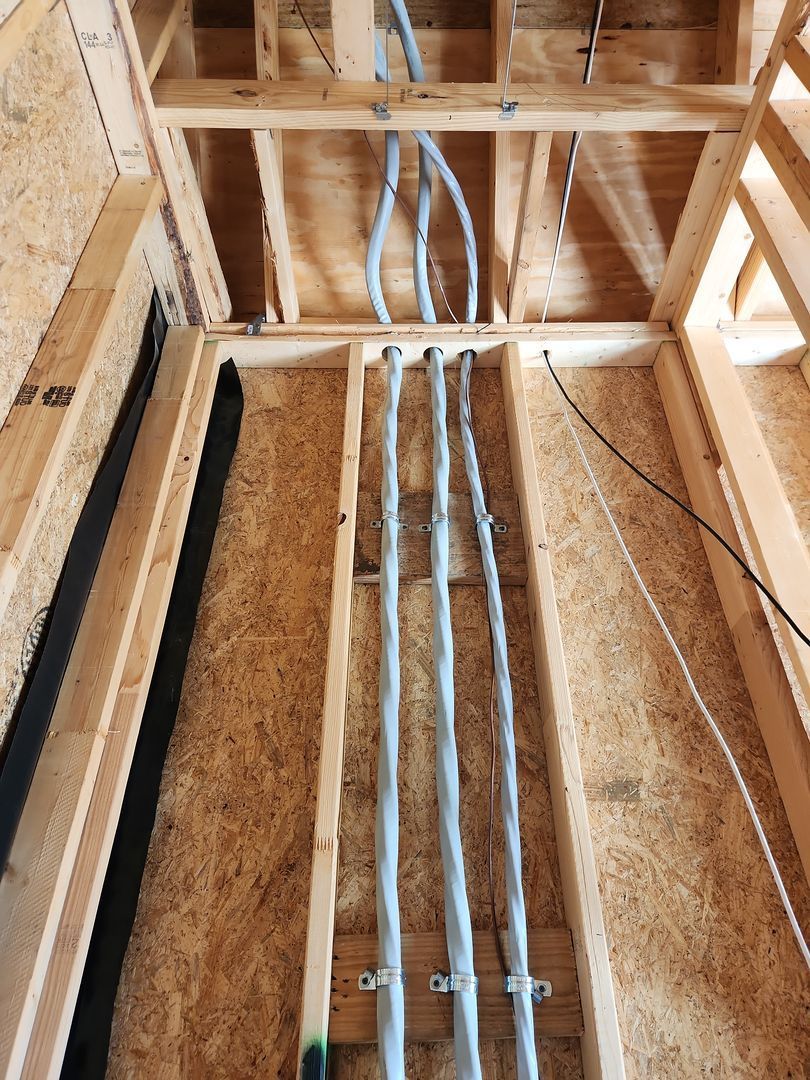
Why Dedicated Circuits Prevent Electrical Problems
Modern appliances draw steady amperage that approaches or exceeds the rating of standard fifteen-amp circuits, and sharing those circuits with other devices creates cumulative loads that exceed breaker capacity. EV chargers require dedicated forty to sixty-amp circuits depending on charging speed, table saws and air compressors need twenty-amp circuits to handle startup surge, and kitchen appliances like microwaves and toaster ovens require separate circuits to prevent nuisance tripping during meal preparation. Wire gauge increases with amperage and distance, with longer runs requiring thicker copper to deliver rated voltage at the outlet.
After installation, dedicated circuits eliminate the pattern of breaker trips that occur when multiple devices operate simultaneously on shared circuits. Specific outlets deliver full power without voltage sag, equipment starts without dimming lights elsewhere in the house, and you no longer reset breakers to restore power to unrelated rooms.
Home additions and garage conversions require separate circuit planning based on anticipated loads, with workshop spaces typically needing multiple twenty-amp circuits for stationary tools and portable equipment. Growing neighborhoods throughout McKinney see frequent circuit additions as homeowners install Level 2 EV chargers, outdoor kitchens, and home office equipment that older electrical systems never anticipated supporting.
What Property Owners Ask About Circuit Work
Circuit installations require permits and inspections to verify wire sizing, breaker compatibility, and proper grounding connections that protect against electrical hazards.
How do you determine if a panel has capacity for new circuits?
Load calculation totals the amperage of all existing and planned circuits, then compares that total to your main service rating to verify available capacity, with panels at or above eighty percent capacity typically requiring service upgrades before adding high-demand circuits.
What wire size does a dedicated circuit require?
Wire gauge depends on circuit amperage and run length, with twenty-amp circuits using twelve-gauge wire for runs under one hundred feet and requiring ten-gauge for longer distances to prevent voltage drop that reduces equipment performance and creates heat buildup in walls.
Can you install circuits without opening walls?
Accessible attic space and unfinished basements allow wire routing without wall removal, while finished spaces may require targeted access holes at specific joist bays or fishing wire through existing wall cavities depending on construction methods and insulation.
How long does circuit installation take?
Simple garage circuits with exposed routing typically complete in half a day, while circuits requiring long runs through finished spaces or complex panel modifications may need one to two full days including drywall repair and paint matching.
When should older circuits be replaced during upgrades?
Cloth-insulated wiring, aluminum branch circuits, and ungrounded two-wire systems should be replaced during remodeling projects in McKinney homes built before electrical code updates required grounded outlets and copper conductors throughout living spaces.
Jay's Electric & Media Solutions provides load calculations, wire routing assessments, and permit coordination for residential and commercial circuit installations. Contact our team to schedule circuit installation planning based on your equipment requirements and panel configuration.