Backup Power That Keeps Your Home Running
Generator Installation in Farmersville and McKinney for homes facing frequent outages during severe weather
Texas weather creates predictable patterns of extended power loss that leave homes without refrigeration, climate control, or lighting for hours or days at a time. Jay's Electric & Media Solutions installs standby generator systems throughout McKinney and Farmersville that restore power automatically when the utility grid fails. Properly sized generators prevent the cascading problems that follow outages: spoiled food, frozen pipes during winter storms, loss of medical equipment function, and security system failures.
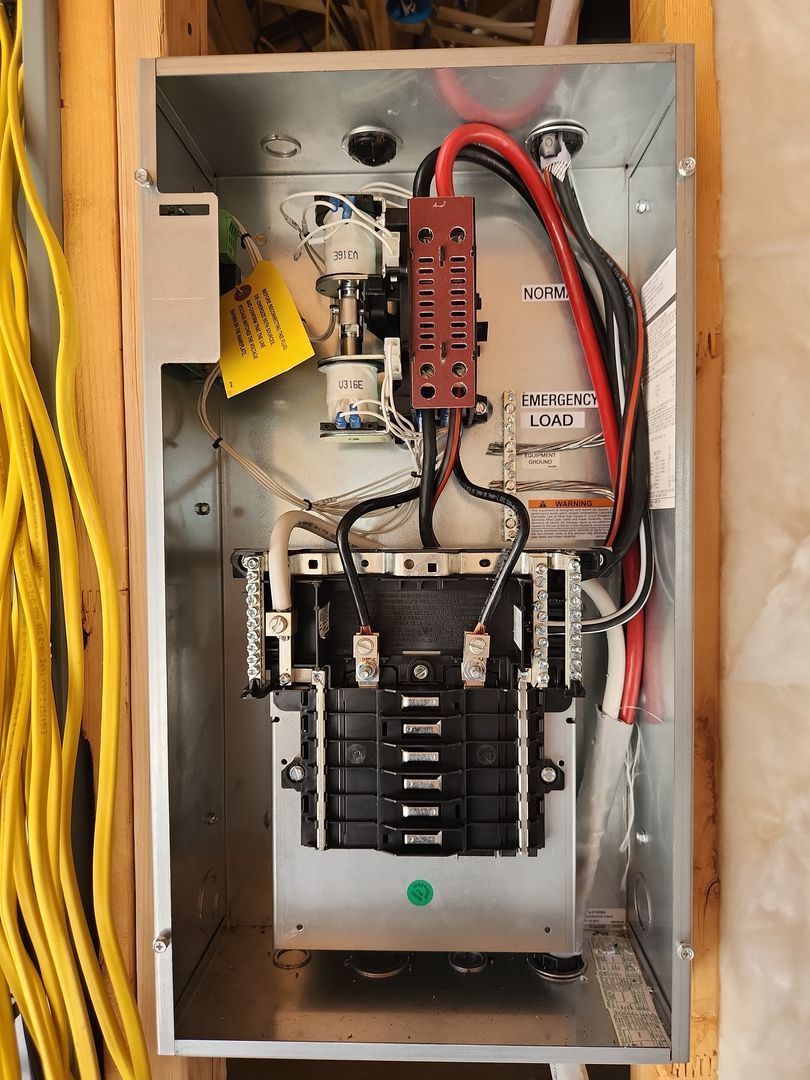
Standby generator installation involves three critical components that determine whether the system actually works when needed: load calculation to match generator capacity to your home's essential circuits, transfer switch installation that detects outages and shifts power sources within seconds, and electrical integration that connects the generator to your panel without backfeeding into utility lines. Each component must meet Texas electrical code requirements and manufacturer specifications to function safely during the extended runtime periods that severe weather often demands.
Schedule an on-site evaluation to determine the generator size and fuel type that matches your home's electrical load and available infrastructure.
How Generator Systems Protect Essential Circuits
Generator sizing determines which circuits remain powered during outages, and undersized units create the same problems as no generator at all when they overload and shut down. The calculation accounts for startup surge current from HVAC compressors and well pumps, which can require three times the running wattage for several seconds. Proper installations include transfer switches rated for the full generator output and wired to prioritize circuits in a specific sequence: refrigeration first, then HVAC, then lighting and outlets, with non-essential loads like pool equipment and workshop circuits excluded.
After installation, your home transitions to generator power within ten seconds of detecting grid failure, and the transfer switch prevents simultaneous connection to both power sources. You hear the generator start, see lights stabilize without flickering, and notice that selected circuits function normally while others remain off. The system runs continuously until utility power returns and stabilizes for several minutes, then transfers back and shuts down automatically.
Natural gas generators connect directly to your utility gas line for unlimited runtime, while propane units require tank size calculations based on expected outage duration and generator load. Both fuel types require annual maintenance to verify transfer switch operation, battery condition, and engine readiness, with natural gas systems typically requiring less frequent service intervals than propane models.
Questions Homeowners Ask About Generator Installation
Generator installations in McKinney typically require electrical permits, gas line permits if extending service, and placement approval to meet setback requirements from property lines and windows.
What size generator does a typical home require?
Most homes need between seven and twenty kilowatts depending on square footage and whether you're powering the entire house or only essential circuits, with load calculation determining the exact capacity needed to start and run your specific equipment simultaneously.
How long does installation take once the generator arrives?
Installation typically requires one to two full days for electrical integration, transfer switch mounting, fuel line connection, startup testing, and permit inspections, with concrete pad preparation completed beforehand if required.
What maintenance does a standby generator require?
Generators need annual service including oil changes, filter replacement, battery testing, and transfer switch verification, with natural gas units requiring spark plug replacement every two years and propane systems needing more frequent attention to fuel system components.
Where can generators be installed on residential property?
Placement must maintain clearance from windows, doors, and air intake vents while allowing service access, with McKinney requiring minimum distances from property lines and restrictions on noise levels at neighboring properties.
How does the transfer switch know when to activate?
Automatic transfer switches monitor utility voltage continuously and detect outages within seconds, then signal the generator to start and shift circuits to backup power once the generator reaches stable operating voltage and frequency.
Jay's Electric & Media Solutions provides load calculations and fuel type recommendations based on your home's electrical panel configuration and available gas infrastructure. Request a generator consultation to review placement options and system sizing for your specific property layout.